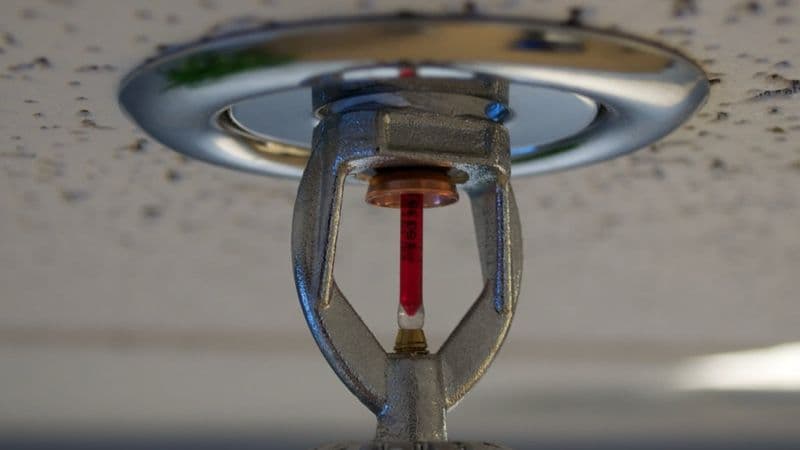
Retrofitting fire safety systems into heritage buildings presents unique challenges. Listed building consent, conservation area restrictions, and the physical constraints of historic construction methods all complicate what would otherwise be a straightforward compliance project. This case study examines how a Grade II listed building in Bath was brought up to current fire safety standards without compromising its architectural significance.
The Building
The property is a four-storey Georgian townhouse, converted in the 1990s into six residential flats. Original features include ornate plasterwork cornices, timber panelled doors, a cantilevered stone staircase, and sash windows. The building had a basic fire alarm system installed at the time of conversion, but no emergency lighting, inadequate compartmentation, and non-compliant fire doors.
Need passive fire protection work?
Find certified passive fire protection specialists in your area
Browse Specialists →The Challenge
A fire risk assessment identified multiple significant deficiencies. The responsible person, a resident management company, needed to achieve compliance with the Fire Safety Order and the new Fire Safety (England) Regulations 2022, while also obtaining listed building consent for any works affecting the building's character. The local conservation officer made clear that surface-mounted cable trunking, modern fire doors replacing original panelled doors, and visible signage would not be acceptable.
The Solution
Expert insights and guidance from the INFIRISK editorial team, covering fire safety regulations, industry standards, and best practices.
Wireless fire detection: An addressable wireless fire alarm system was installed, eliminating the need for cable runs through historic fabric. Detectors were discreetly mounted and finished to match existing ceiling roses.
Heritage fire doors: A specialist joinery firm manufactured bespoke FD30S fire doors replicating the original six-panel Georgian design, complete with appropriate intumescent strips concealed within the rebates.
Compartmentation: Fire-stopping works were carried out using heritage-sympathetic materials, with cavity barriers installed behind existing lath-and-plaster walls where access was possible without destructive opening-up.
Emergency lighting: Low-profile, recessed emergency luminaires were specified in a finish sympathetic to the building's character, positioned to meet BS 5266 requirements while minimising visual impact.
Outcome
The project was completed over 14 weeks with minimal disruption to residents. The conservation officer approved all works, and a subsequent fire risk assessment confirmed the building now meets the required standard. The total cost was approximately 40% higher than a standard retrofit, but the responsible persons considered this justified given the heritage value and legal obligations.
This case study demonstrates that fire safety compliance and heritage conservation can coexist with the right expertise and planning. If you manage a listed building and need specialist fire safety advice, INFIRISK's directory includes professionals with heritage building experience.
Need passive fire protection?
Post your requirement and receive proposals from qualified passive fire specialists

INFIRISK Editorial
INFIRISK Team
Expert insights and guidance from the INFIRISK editorial team, covering fire safety regulations, industry standards, and best practices.
32 articles published
IT
More from INFIRISK Team