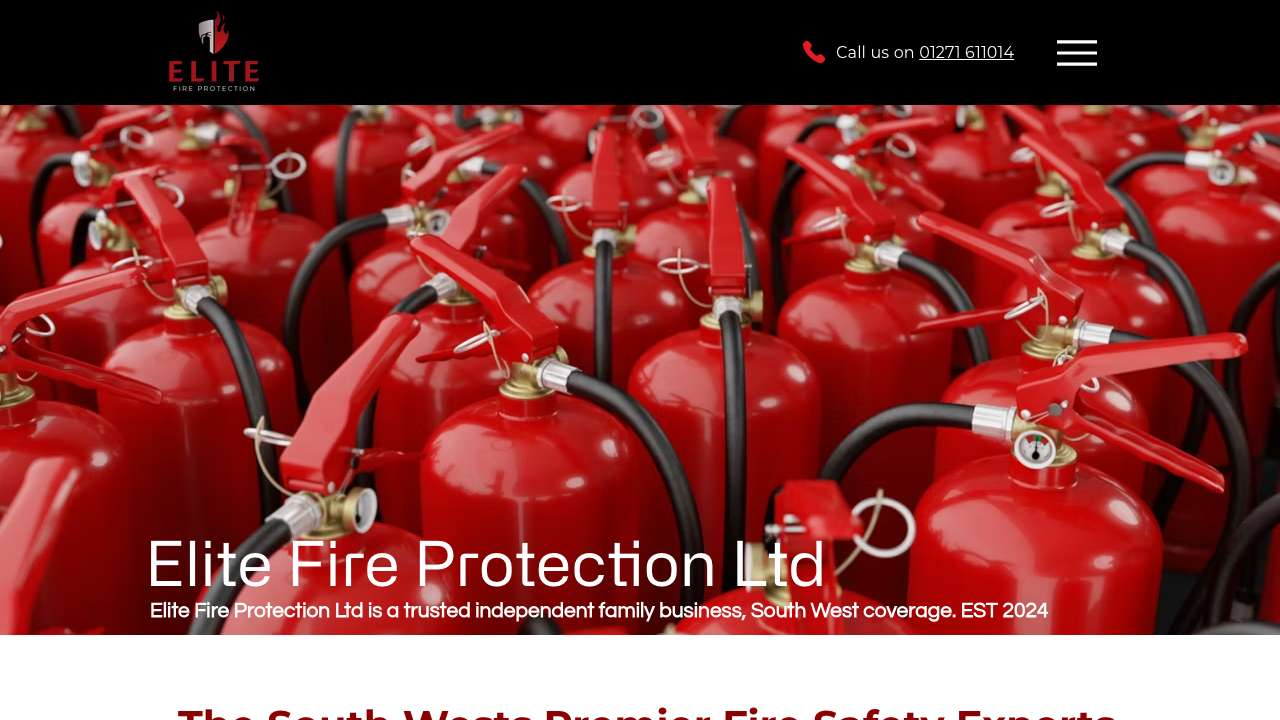
Portable fire extinguishers are the first-response layer of active fire protection in most UK premises. The Regulatory Reform (Fire Safety) Order 2005 requires "appropriate" firefighting equipment — the number, type and location driven by the fire risk assessment. BS 5306-8 is the code of practice for extinguisher selection and positioning; BS EN 3 covers the extinguishers themselves.
Annual service is required under BS 5306-3 by a competent person. Most UK service firms are BAFE SP101 registered, which covers the technician, service routine and documentation requirements. Extinguishers also need periodic extended service (five-year internal examination for most types, ten-yearly overhaul for CO2) and replacement at manufacturer-specified intervals.
Selection matters. Water mist extinguishers are increasingly common in kitchens and server rooms because they combine broad applicability with no collateral damage. Wet chemical units are the only appropriate device for commercial deep-fat fryers. CO2 remains the default for electrical risks. Powder is being phased out of indoor environments because of the cleanup and respiratory hazards; its use now concentrates on vehicles and large outdoor industrial risks.
Listings on INFIRISK filter by geography, BAFE registration, and whether the firm handles decommissioning and disposal (extinguishers contain propellant and, in the case of halon, regulated substances — disposal needs specialist handling).