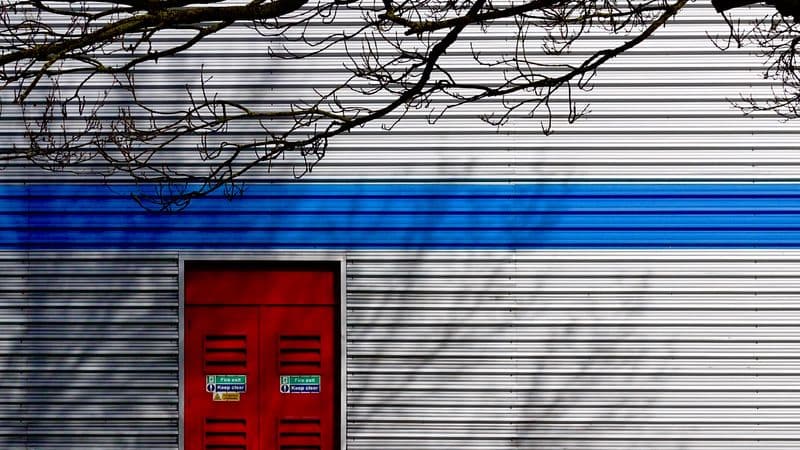
Fire doors are among the most heavily scrutinised elements of building safety in the UK, and the law around them has tightened sharply since the Grenfell Tower fire. A recent CPD webinar on fire door compliance under the Building Safety Act drew a large professional audience, reflecting how much duty-holders still need to understand about their obligations. This guide brings together what the legislation actually requires, what makes a fire door compliant, and how to build an inspection routine that stands up to scrutiny.
Understanding the Building Safety Act
The Building Safety Act 2022 is the biggest overhaul of building safety regulation in a generation. It created the Building Safety Regulator, introduced the role of the accountable person for higher-risk buildings (broadly, residential buildings at least 18 metres tall or with at least seven storeys), and placed new duties to manage fire and structural safety risks across a building's whole lifecycle. Fire doors sit at the heart of these duties because they are the primary means of containing fire and smoke, protecting escape routes and buying time for people to evacuate.
The fire door checks the law now requires
Need fire safety work done?
Browse our directory of qualified, vetted fire safety professionals across the UK
Browse Directory →The detail that affects most duty-holders day to day comes from the Fire Safety (England) Regulations 2022, which came into force in January 2023. In multi-occupied residential buildings above 11 metres in height, the responsible person must check communal fire doors at least every twelve months, and use best endeavours to check flat entrance doors at least every three months. Residents must also be given information on the importance of fire doors and the need to keep them shut. These are legal duties rather than best-practice suggestions, and the fire and rescue service can take enforcement action where they are not met.
What makes a fire door compliant
A fire door is a tested assembly, not simply a heavy door. Its fire resistance, usually rated FD30 for thirty minutes or FD60 for sixty minutes, depends on every component working together: the door leaf, the frame, the intumescent strips and smoke seals, the hinges, the self-closing device, and any glazing or hardware. Replace one part with something that was not in the tested specification and the door can lose its certification. This is why competence and third-party certification matter, and why schemes such as the Fire Door Inspection Scheme are widely specified for the people who inspect and install these doors.
Common defects found on inspection
Gaps around the door leaf that are too large, with around three millimetres the usual guide, or an excessive gap at the threshold
Intumescent or smoke seals that are missing, damaged, or painted over
Hinges that are loose, worn, or not the correct fire-rated type
Self-closing devices that fail to close the door fully onto the latch
Fire doors wedged or propped open, which defeats their entire purpose
Damage or unapproved alterations, such as new holes drilled for cabling or hardware
Expert insights and guidance from the INFIRISK editorial team, covering fire safety regulations, industry standards, and best practices.
Building a defensible compliance routine
Compliance is as much about evidence as it is about hardware. A defensible routine starts with a competent inspector who follows a documented methodology, records the condition of every door, and photographs defects. Findings should feed a clear remediation plan with priorities and dates, and every check, repair, and replacement should be logged so the responsible person can show that the building has been properly managed. Where a door cannot be economically repaired to its certified condition, it should be replaced with a complete, certified assembly rather than patched.
Key takeaways
The Building Safety Act 2022 and the Fire Safety (England) Regulations 2022 have made fire door management a specific, enforceable legal duty
Communal fire doors in residential buildings above 11 metres need checking at least annually, and flat entrance doors at least quarterly
A fire door is a certified assembly, so every component must meet the tested specification
Keep thorough records of inspections, defects, and remedial work to evidence compliance
Use a competent inspector, and replace any door that cannot be restored to its certified condition
Sources
For the primary legislation, see the Building Safety Act 2022 and the Fire Safety (England) Regulations 2022. General duties are summarised in the government guidance on fire safety in the workplace.
Need fire safety work done?
Post your requirement on Infirisk and receive competitive proposals from qualified, vetted fire safety professionals across the UK

INFIRISK Editorial
INFIRISK Team
Expert insights and guidance from the INFIRISK editorial team, covering fire safety regulations, industry standards, and best practices.
33 articles published
IT
More from INFIRISK Team